
Steam Cleaning vs. Carpet Shampooing: What’s the Difference?
When people talk about deep cleaning carpet, “steam cleaning” and “carpet shampooing” are often used as if they mean the same thing. They do not. Both methods are designed to remove soil from carpet fibers, but they approach the job differently, use different cleaning processes, and can produce different results depending on the carpet and its condition.
At Dial Carpet Cleaning and Maintenance, we have spent more than 20 years working with carpets in Las Vegas-area homes and commercial properties. One thing we regularly see is that the right cleaning method matters just as much as deciding to have the carpet cleaned in the first place. Our carpet cleaning service is based on the actual condition of the carpet rather than treating every room and every type of soil exactly the same way.
Understanding the difference between steam cleaning and shampooing can help you make a more informed decision, especially when you are dealing with heavily traveled carpet, pet-related messes, spills, or years of accumulated soil.
What Is Steam Carpet Cleaning?
Steam cleaning is the common name for a carpet cleaning process generally known as hot water extraction. Despite the name, the primary cleaning action is not simply steam passing over the carpet. The process involves applying a cleaning solution and hot water to the carpet, then extracting the water along with loosened soil and contaminants.
Extraction is the important part of the process. Carpet can hold a surprising amount of fine soil below the surface, particularly in walkways, living rooms, hallways, offices, and other frequently used areas. A proper hot water extraction process is intended to loosen embedded material and remove it rather than leaving it behind in the carpet.
The exact cleaning approach can vary according to carpet construction, soil conditions, staining, and other factors. Professional carpet cleaning is not simply a matter of applying as much water or heat as possible. Technicians need to consider how the carpet responds to moisture, cleaning products, agitation, and extraction.
What Is Carpet Shampooing?
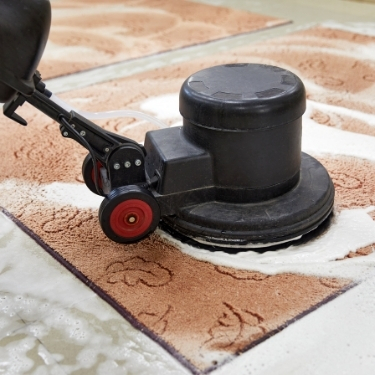
Traditional carpet shampooing uses a detergent-based cleaning product that is worked into the carpet fibers. Agitation helps the shampoo interact with soil and oily material attached to the fibers. Depending on the equipment and method being used, the loosened material may then be extracted or removed as part of the cleaning process.
Shampooing became popular because it could make visibly dirty carpet look significantly cleaner, particularly when carpet had substantial surface soil. The mechanical action involved can also be useful in breaking up certain types of stubborn grime.
However, shampooing has an important consideration: residue. If too much cleaning product is applied or the carpet is not rinsed and extracted adequately, detergent can remain in the fibers. That residue may affect the feel of the carpet and can contribute to faster resoiling because remaining material can attract and hold new dirt.
Modern professional carpet care has evolved considerably, so the term “shampooing” can also be used loosely. When comparing cleaning companies or methods, it is more useful to ask how the carpet is cleaned, rinsed, and extracted than to rely on the name of the process alone.
The Main Difference Between Steam Cleaning and Shampooing
The biggest difference comes down to how soil and cleaning products are removed from the carpet. Hot water extraction focuses heavily on flushing loosened material from the fibers and extracting the resulting moisture. Traditional shampooing relies more heavily on detergent and agitation to break apart soil.
That distinction can affect how much residue remains after cleaning. With appropriate equipment and technique, extraction is intended to remove the cleaning solution along with suspended soil. Shampooing that uses a heavier concentration of detergent may require careful rinsing to avoid leaving unnecessary product behind.
There is also a difference in how the methods address soil below the visible surface. Carpet may look reasonably clean while still containing fine particles that have settled farther into the pile. This is one reason vacuuming remains important between professional cleanings and why a deeper cleaning method can make a noticeable difference in heavily used areas.
Neither process should be judged only by how wet the carpet becomes. More moisture does not automatically mean a deeper clean, and excessive moisture can create its own problems. Proper application, extraction, airflow, carpet construction, and environmental conditions all influence the final result.
Which Method Is Better for Heavily Soiled Carpet?
Heavily soiled carpet needs more than a one-size-fits-all cleaning procedure. A busy family room with tracked-in soil presents a different cleaning challenge than an office corridor, a carpet affected by pet accidents, or a room with isolated food and beverage spots.
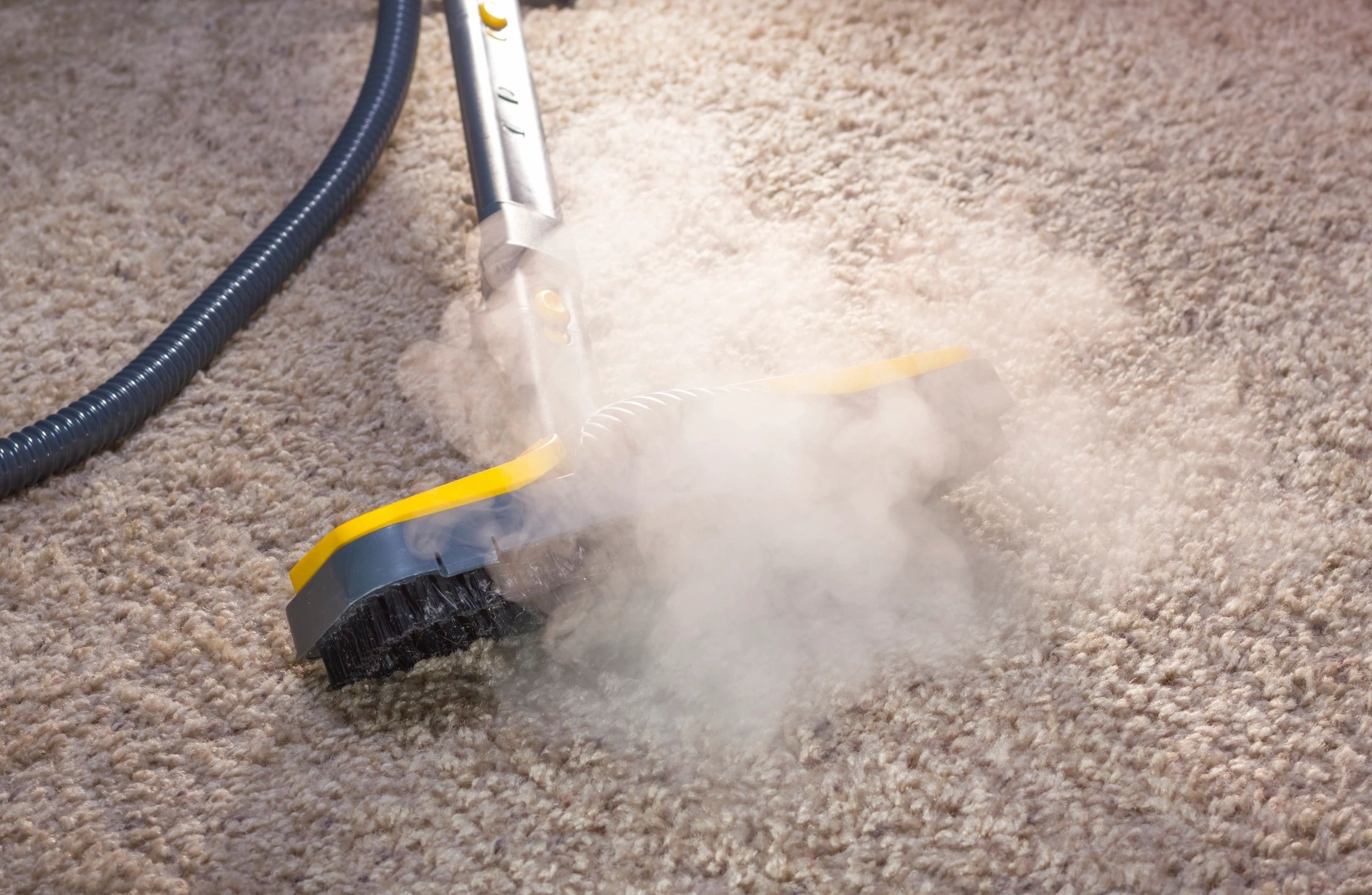
Hot water extraction is commonly chosen for deep carpet cleaning because it combines cleaning chemistry with rinsing and extraction. Areas with substantial traffic soil may also need appropriate pretreatment before extraction. Pretreatment helps loosen material that has bonded to the carpet fibers so it can be removed more effectively during the main cleaning process.
Shampooing can provide useful agitation when carpet is particularly dirty, but simply adding more shampoo is not the answer to severe soil. Heavy detergent use without adequate removal can trade one problem for another. The goal should be to remove soil while leaving as little unnecessary cleaning residue as practical.
Experience matters here because technicians need to evaluate what they are actually seeing. Dark traffic lanes, spots, discoloration, worn fibers, and permanent staining can look similar at first glance, but they are not always the same problem.
What About Stains, Pet Accidents, and Odors?
Homeowners often expect the cleaning method itself to determine whether every stain or odor will disappear. In practice, spot and odor treatment can be more complicated. Different substances interact with carpet fibers in different ways, and the length of time a spill has been present can affect what can reasonably be removed.
Pet accidents are a good example. What appears to be a small spot on the carpet surface may have penetrated farther into the carpet. Cleaning only the visible fibers may therefore fail to address material that has traveled deeper.
The same principle applies to stains. Coffee, food, tracked-in oils, pet-related spots, and other substances do not necessarily respond to one universal product or procedure. Identifying the likely source and selecting an appropriate treatment is an important part of professional carpet care.
It is also worth distinguishing a stain from physical carpet damage. Cleaning cannot reverse fiber wear, bleaching, permanent color changes, burns, or other structural damage. In those situations, carpet repair or another corrective service may be more appropriate than repeatedly cleaning the same area.
Drying Time Matters With Either Cleaning Method
Drying is one of the practical concerns homeowners have after professional carpet cleaning. There is no single drying time that applies to every carpet because several variables influence how quickly moisture evaporates.
Carpet thickness, indoor temperature, humidity, ventilation, the amount of moisture used, and how effectively that moisture was extracted can all make a difference. Las Vegas is known for a dry climate, but indoor conditions still vary from property to property. Air conditioning, airflow, room layout, and the season can affect the drying process.
Using excessive water is not a sign of better cleaning. Professional technique involves applying what is appropriate for the job and removing as much recoverable moisture as practical. Customers should also follow any aftercare instructions provided by their cleaning technician, including guidance about ventilation and when normal foot traffic can resume.
Why Carpet Condition Should Influence the Cleaning Method
Two carpets made from similar materials can require different approaches because of how they have been used and maintained. A lightly used guest bedroom may need relatively straightforward cleaning, while carpet near an entryway may contain considerably more abrasive soil.
Commercial carpet introduces another set of considerations. Offices, hotels, restaurants, retail spaces, medical facilities, gyms, and other businesses may experience concentrated traffic patterns and have tighter scheduling requirements. Cleaning needs to address appearance and accumulated soil while also fitting around the property’s normal operations.
Carpet age and wear matter as well. Soil removal can improve the appearance of dirty carpet, but cleaning does not rebuild fibers that have been physically worn down by years of foot traffic. A knowledgeable technician should be able to distinguish between cleanable soil and wear rather than creating unrealistic expectations about what cleaning can accomplish.
Steam Cleaning vs. Shampooing: What Should You Choose?
For many residential and commercial carpet cleaning situations, hot water extraction is a practical option because the process is designed to loosen, rinse, and extract soil from the carpet. It can address more than what is visible on the immediate surface while limiting the amount of cleaning product left behind when performed properly.
That does not mean every carpet should automatically receive exactly the same treatment. Carpet type, overall condition, stains, traffic levels, previous cleaning products, and moisture considerations should all influence the approach. In some situations, additional agitation, targeted spotting, or specialized treatment may be appropriate.
The more useful question is not simply, “Is steam cleaning better than shampooing?” It is, “What does this carpet need to be cleaned properly?” A professional assessment should answer that question before the cleaning begins.
Keeping Carpet Cleaner After Professional Cleaning
Regardless of the method used, routine maintenance has a major influence on how carpet looks between professional visits. Regular vacuuming removes dry particulate soil before repeated foot traffic works it deeper into the pile. High-traffic areas generally need more attention than rooms that are rarely used.

Spills should also be addressed promptly and carefully. Aggressive scrubbing can spread a spot or disturb carpet fibers, while using several household cleaning products on the same area can leave residue or create additional problems. Blotting and seeking professional advice for difficult spots is often a more sensible approach.
Entry mats can also reduce the amount of outdoor soil that reaches carpeted areas. In Las Vegas, fine dust and grit can easily be tracked indoors, so controlling soil at entrances and maintaining a consistent vacuuming routine can make a meaningful difference over time.
Professional Carpet Cleaning in the Las Vegas Area
Steam cleaning and carpet shampooing both have a place in the history and practice of carpet care, but the important differences involve cleaning chemistry, agitation, rinsing, extraction, and residue. Hot water extraction is widely used for deeper carpet cleaning because it is designed to remove loosened soil and cleaning solution rather than simply working detergent into the fibers.
At Dial Carpet Cleaning and Maintenance, we approach carpet cleaning based on the carpet in front of us. With more than 20 years of experience serving Las Vegas and nearby Nevada communities, our team understands that residential and commercial properties can have very different cleaning needs.
If your carpet has developed visible traffic areas, stubborn spots, pet-related problems, or simply needs a thorough professional cleaning, contact us today.