
Why Professional Carpet Agitation is Essential for Removing Stubborn Pet Hair
Pet owners know the struggle. No matter how often you vacuum, pet hair seems to find a way into every corner of the home. It collects along baseboards, clings to upholstery, and becomes deeply embedded in carpet fibers. While regular vacuuming helps manage surface-level shedding, it often falls short when it comes to removing the hair that has worked its way deep into the carpet pile over weeks or months.
At Dial Carpet Cleaning and Maintenance, we regularly encounter carpets that appear clean on the surface but contain a surprising amount of trapped pet hair beneath the visible layer. This is one reason professional carpet cleaning involves far more than simply running a powerful vacuum over the floor. Specialized techniques, including professional carpet agitation, play a critical role in loosening and removing embedded pet hair before and during the cleaning process.
Many homeowners are unaware of how important agitation is to achieving a truly deep clean. Understanding why this step matters can help explain why some carpets continue to look and feel dirty even after repeated vacuuming, and why professional cleaning often produces dramatically different results.
Understanding How Pet Hair Becomes Embedded in Carpet
Pet hair does not simply rest on top of carpet fibers. Every time people walk across a room, sit on furniture, or allow pets to move throughout the house, hair is pushed deeper into the carpet structure. Over time, those fibers become intertwined with pet hair, dust, dander, and other debris.
The problem is especially common in homes with dogs and cats that shed year-round. Fine hairs can work their way down toward the backing of the carpet, where standard household vacuums struggle to reach. Static electricity can also contribute to the problem by causing hair to cling tightly to carpet fibers.
In Las Vegas homes, dry conditions can make static-related hair buildup even more noticeable. Pet hair often becomes tangled within carpet fibers and can remain there despite frequent vacuuming. As additional debris accumulates, the carpet effectively traps the hair in place, creating a dense layer that becomes increasingly difficult to remove.
The longer pet hair remains embedded, the more challenging the cleaning process becomes. What starts as a minor issue can gradually affect the appearance, texture, and cleanliness of the carpet.
What Is Carpet Agitation?
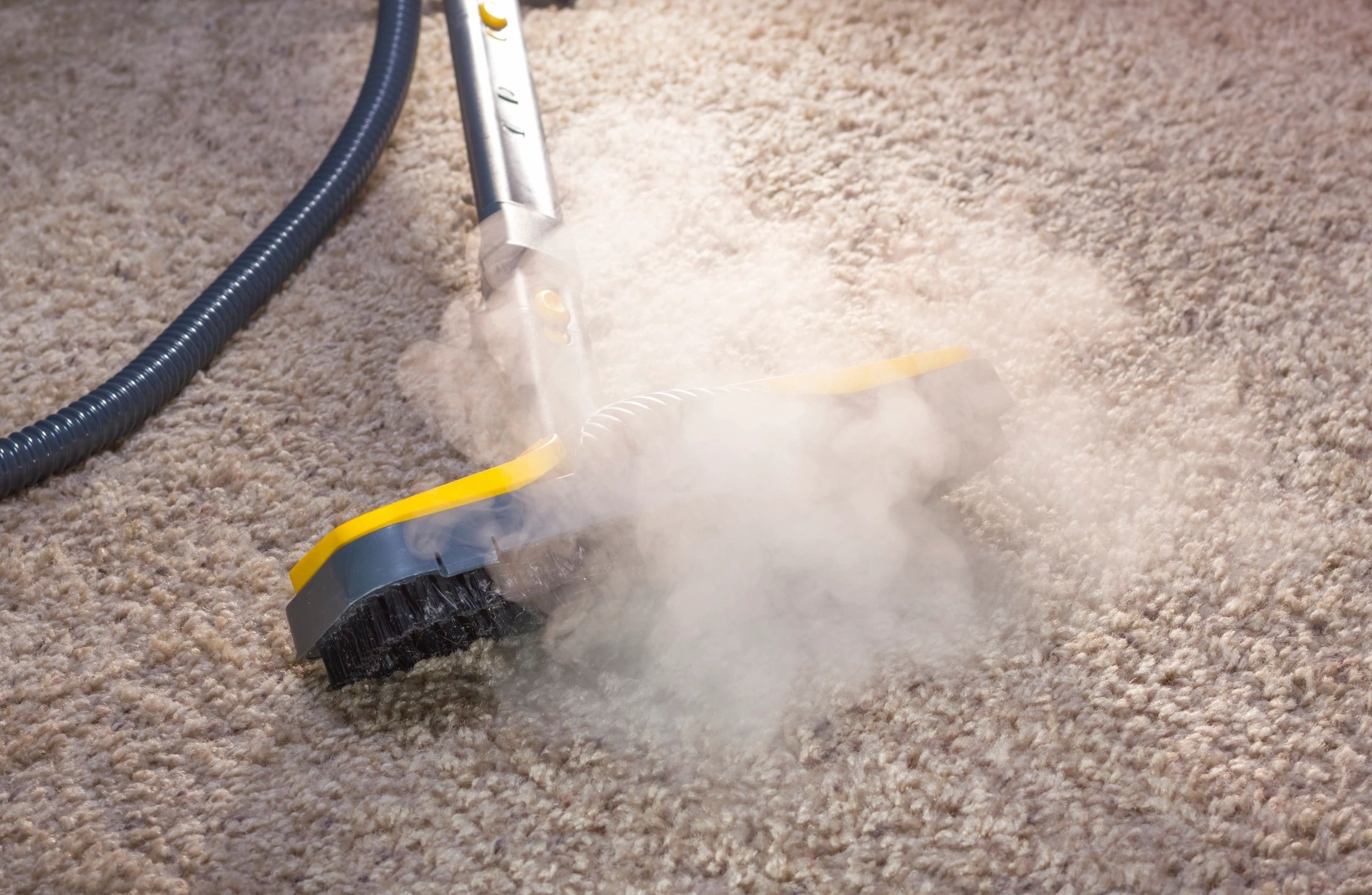
Carpet agitation refers to the process of mechanically loosening debris, soil, hair, and contaminants that have become embedded within carpet fibers. This step is typically performed before extraction or deep cleaning to ensure that trapped materials are brought closer to the surface where they can be removed effectively.
Professional agitation equipment is specifically designed to work through carpet fibers without causing unnecessary damage. Depending on the carpet type and cleaning requirements, technicians may use specialized brushes, counter-rotating brush machines, grooming tools, or other agitation systems.
The purpose is not simply to move dirt around. Proper agitation separates carpet fibers, breaks up compacted debris, loosens pet hair, and allows cleaning solutions to penetrate more effectively. This creates a cleaner foundation for the extraction process that follows.
Without adequate agitation, much of the embedded debris can remain trapped beneath the surface, limiting the overall effectiveness of the cleaning service.
Why Vacuuming Alone Often Isn’t Enough
Many homeowners invest in high-quality vacuum cleaners and maintain a regular cleaning schedule. While this is certainly beneficial, even the best household vacuum has limitations when dealing with deeply embedded pet hair.
Vacuum cleaners primarily rely on airflow and suction. Although strong suction can remove surface debris and some loose hair, it often struggles to dislodge hair that has become wrapped around carpet fibers. When pet hair is tightly woven into the pile, suction alone may not generate enough force to release it.
This is similar to trying to remove tangled threads from a thick fabric using only airflow. The fibers themselves must be disturbed and separated before the material can be extracted effectively.
In high-traffic areas, the challenge becomes even greater. Foot traffic continually compresses carpet fibers, pushing hair and debris deeper into the pile. Over time, these compacted areas become resistant to ordinary vacuuming.
Professional agitation addresses this issue by physically lifting and separating the fibers, allowing trapped hair to break free before extraction occurs.
The Connection Between Pet Hair and Carpet Soil
One of the most overlooked aspects of pet hair accumulation is its relationship with dirt and soil buildup.
Pet hair acts almost like a net within carpet fibers. As hair accumulates, it captures dust, dirt particles, allergens, and other contaminants. This combination creates dense pockets of debris that can become difficult to remove without specialized equipment.
When cleaning solutions are applied to heavily impacted areas, embedded pet hair can also interfere with proper solution distribution. The trapped hair creates barriers that prevent cleaning agents from reaching deeper levels of the carpet.
Professional agitation helps break apart these concentrations of hair and soil, allowing cleaning products to penetrate more uniformly. This improves the overall effectiveness of the cleaning process and contributes to more thorough extraction.
The result is not only cleaner carpet but also improved removal of the debris that has become intertwined with pet hair over time.
How Professional Agitation Improves Deep Cleaning Results
The effectiveness of a carpet cleaning service depends heavily on preparation. Agitation is one of the most important preparatory steps because it directly impacts how much debris can be removed during extraction.
When carpet fibers are properly agitated, several important things happen simultaneously.
First, embedded pet hair is loosened from the carpet structure. Hair that was previously wrapped around fibers becomes accessible for removal.
Second, compacted soil is broken apart. This allows cleaning solutions to penetrate more effectively and suspend dirt particles for extraction.
Third, carpet fibers become more open and upright. This improves airflow, solution distribution, and extraction efficiency throughout the cleaning process.
Finally, grooming and agitation help distribute cleaning products more evenly across the carpet surface, ensuring consistent treatment throughout the area being cleaned.
Without agitation, even powerful extraction equipment may leave behind a significant amount of embedded hair and debris. With proper agitation, technicians can achieve a much deeper level of cleaning.
Why Pet Owners Often Notice a Dramatic Difference After Professional Cleaning
Many customers are surprised by how much pet hair is removed during a professional carpet cleaning appointment. Even homes that are vacuumed regularly can yield large amounts of trapped hair once professional agitation techniques are applied.
This difference is often visible immediately. Carpets may appear brighter, feel softer, and exhibit improved texture after cleaning. In many cases, homeowners report that carpets feel less matted and more comfortable underfoot.
The reason is simple. Embedded pet hair contributes to fiber compression. As hair accumulates within the pile, it restricts the carpet’s natural ability to stand upright. Removing that buildup allows fibers to recover and creates a cleaner, more refreshed appearance.
For households with multiple pets, the impact can be especially noticeable. Years of accumulated shedding can significantly affect carpet performance, even when routine maintenance is performed consistently.
Professional agitation helps restore carpets by removing material that ordinary cleaning methods often leave behind.
The Role of Agitation in Odor Reduction
Pet hair itself is not always the direct cause of odors, but it frequently contributes to odor retention within carpet fibers.
Hair can absorb oils, moisture, and environmental contaminants over time. As these materials accumulate, they may create lingering odors that become trapped within the carpet structure.
Pet dander and other organic materials often collect alongside the hair, further contributing to odor issues. When these substances remain embedded, surface cleaning alone may provide only temporary improvement.
Agitation helps expose and loosen these trapped materials so they can be removed during extraction. By eliminating more of the debris hidden beneath the surface, the cleaning process can address odor sources more effectively.
This is particularly important in homes with pets that spend significant time indoors or frequently occupy the same areas of carpeting.
Different Carpet Types Present Different Challenges
Not all carpets respond the same way to pet hair accumulation.
Plush carpets, for example, often trap hair deep within their dense fibers. Frieze carpets can cause long pet hairs to become wrapped around twisted yarns. Berber and looped carpets present their own unique challenges because hair can become lodged between loops and difficult to remove with standard vacuuming.
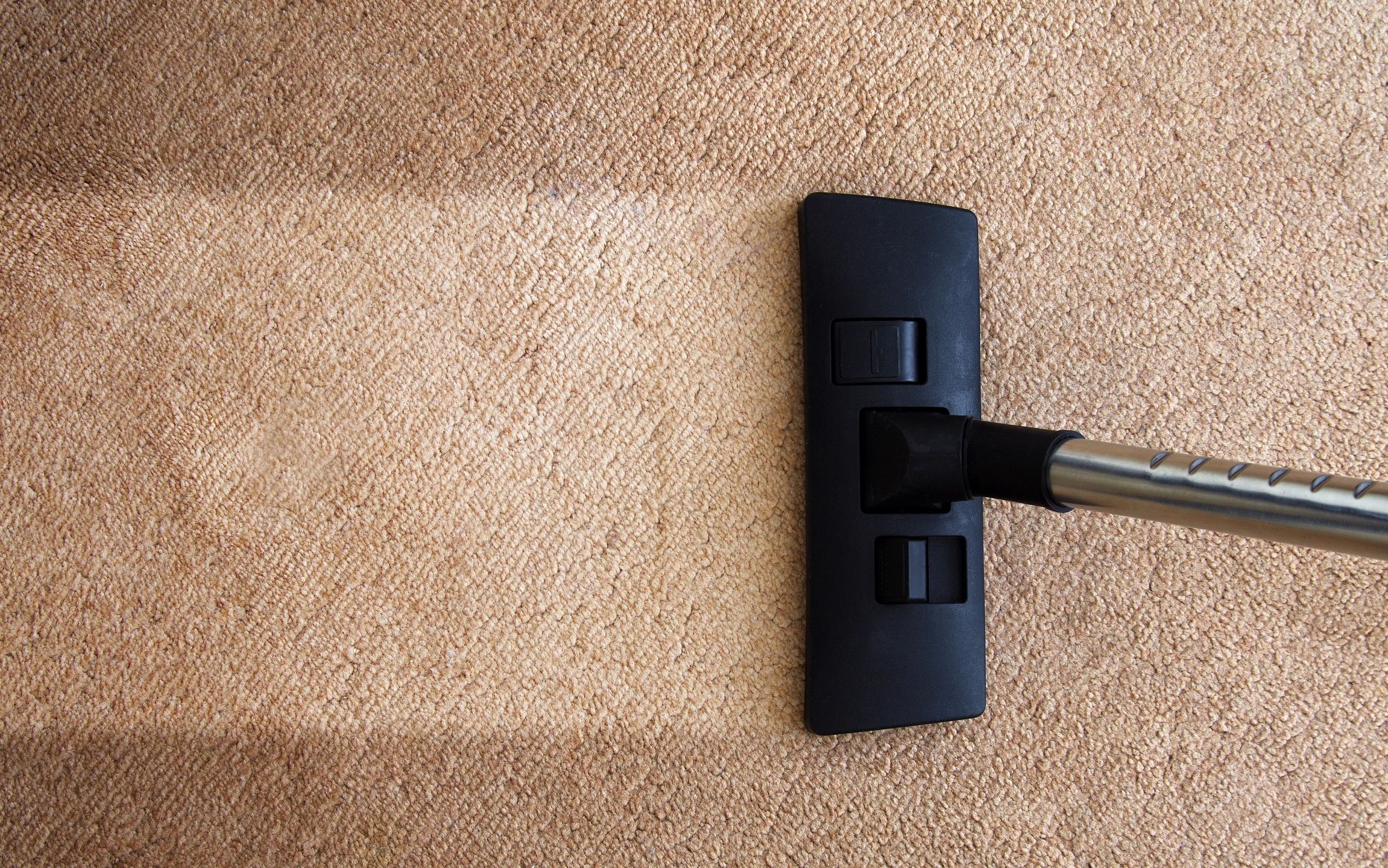
Professional technicians evaluate carpet construction before selecting agitation methods. Using the wrong approach can reduce cleaning effectiveness or place unnecessary stress on the carpet.
Proper agitation involves understanding fiber type, pile height, carpet age, and overall condition. This allows technicians to choose equipment and techniques that maximize hair removal while protecting the carpet.
The goal is not aggressive brushing but controlled, effective agitation that releases embedded debris without causing damage.
Why Agitation Is a Key Component of Professional Carpet Care
Carpet cleaning is often viewed primarily as an extraction process, but extraction alone cannot deliver optimal results when pet hair is deeply embedded within the fibers.
Agitation serves as a bridge between surface cleaning and true deep cleaning. It prepares the carpet by loosening trapped debris, improving solution penetration, and enhancing extraction performance.
For pet owners, this step can be especially important because shedding creates unique cleaning challenges that ordinary maintenance may not fully address. Hair becomes intertwined with carpet fibers, traps additional contaminants, and contributes to long-term buildup that affects appearance and cleanliness.
Professional agitation helps overcome these challenges by targeting the root of the problem rather than merely removing what is visible on the surface.
Conclusion
Pet hair has a remarkable ability to work its way deep into carpet fibers where routine vacuuming often cannot reach. Over time, that embedded hair collects dirt, dander, and other debris, creating buildup that affects the appearance, feel, and cleanliness of the carpet.
Professional carpet agitation is one of the most effective methods for addressing this issue. By loosening trapped hair and separating compacted fibers, agitation allows technicians to remove significantly more debris during the cleaning process. The result is a deeper clean, improved carpet appearance, better fiber recovery, and more effective removal of the materials that accumulate in pet-friendly homes.
At Dial Carpet Cleaning and Maintenance, we understand that successful carpet cleaning with pets requires more than surface-level treatment. Proper preparation, including professional agitation techniques, helps ensure that stubborn pet hair and the debris it traps are thoroughly addressed, allowing carpets to look cleaner, feel fresher, and perform better over the long term.