
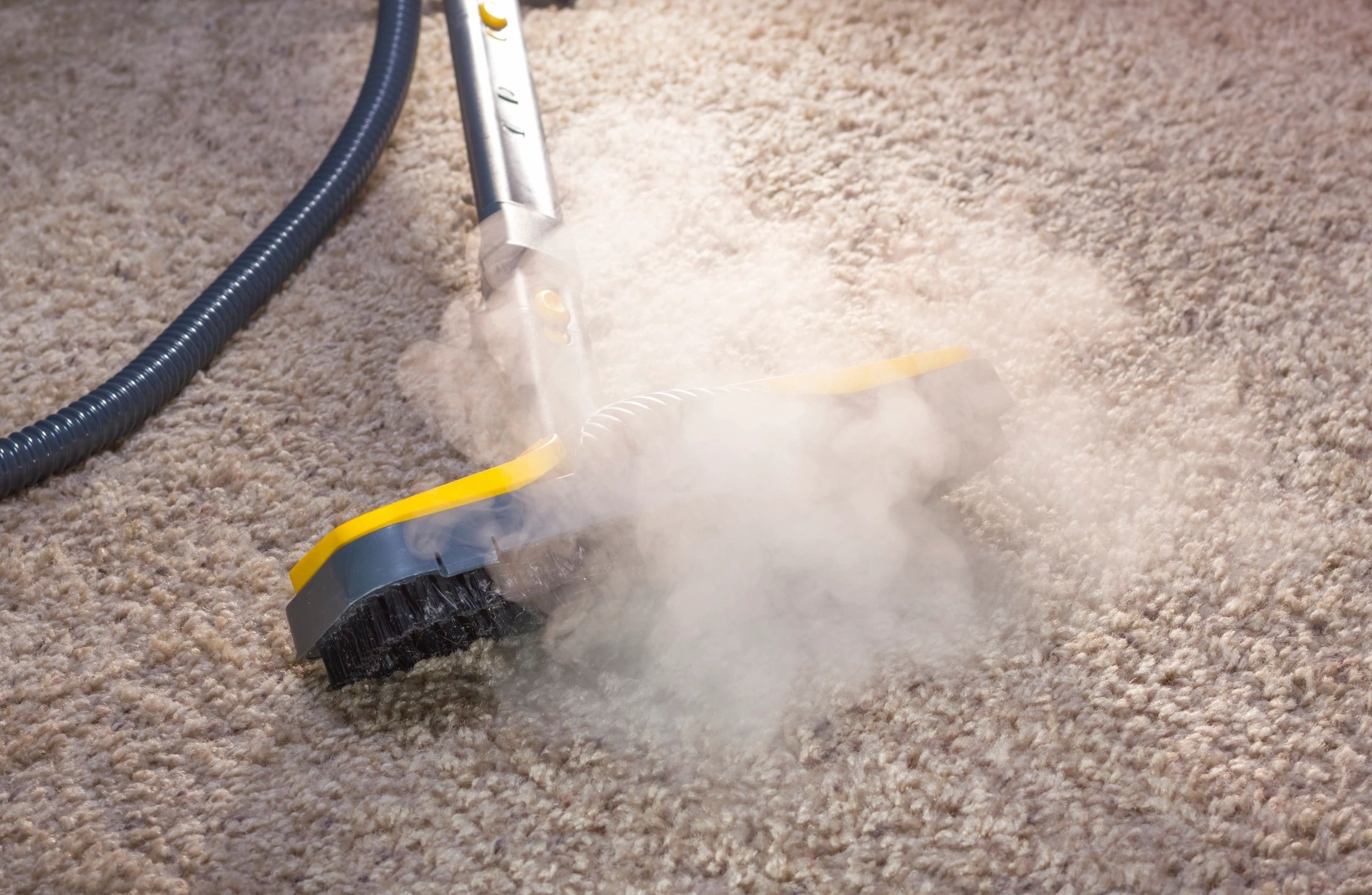
How to Remove Pet Odor From an Area Rug
Area rugs and pets are not always an easy combination. A dog has an accident, a cat repeatedly returns to the same corner, or an older pet leaves a spot that gets cleaned quickly but never quite stops smelling. Even after the visible stain disappears, the odor can linger, especially when moisture has traveled deeper than the rug’s surface.
At Dial Carpet Cleaning and Maintenance, we have spent more than 20 years dealing with rugs, carpets, upholstery, and the kinds of everyday messes that come with busy homes and pets. One thing we have learned is that pet odor in an area rug is rarely just a surface problem. Our area rug cleaning service, including cleaning performed through our dedicated rug studio in North Las Vegas, addresses rugs that need more thorough attention than ordinary vacuuming or spot cleaning can provide.
That does not mean every pet accident requires professional cleaning. Fresh, minor accidents can often be handled successfully at home if you use the right process. The important part is understanding what causes the smell, how deeply the contamination may have traveled, and when continued DIY cleaning is likely to do more harm than good.
Why Pet Odor Can Be Difficult to Remove From an Area Rug
Pet urine does not necessarily stay where you can see it. Depending on the rug’s construction and how much liquid was deposited, urine can pass through the face fibers and reach the foundation or backing. It may even reach the rug pad or flooring underneath.
That is why a rug can look clean but still smell. Cleaning only the visible fibers may remove discoloration while leaving odor-producing residue deeper in the rug. The smell may also become more noticeable on warm or humid days, or when the affected area gets damp again.
Repeated accidents make the situation more difficult. If a pet has used the same location several times, each new accident can penetrate an area that already contains old residue. By the time the homeowner notices a persistent odor, the affected section may be larger than the visible stain suggests.
Start With the Right Response to a Fresh Pet Accident
When an accident is fresh, speed helps. Begin by absorbing as much moisture as possible with clean, white towels or another absorbent, color-safe material. Press firmly into the affected area rather than rubbing it back and forth.
Rubbing can spread the liquid across a larger section of the rug and work it farther into the fibers. Blotting and pressing are usually the safer approach. Work from the outside of the affected area toward the center so you are not unnecessarily enlarging the spot.
If the rug is sitting on a hard floor, check underneath it as soon as practical. Moisture that passes through the rug can become trapped between the rug and the floor. Addressing the rug while ignoring contamination underneath can leave you wondering why the room still smells after the rug itself has been cleaned.
Be Careful With Homemade Pet Odor Treatments
There is no shortage of online advice about using vinegar, baking soda, dish soap, hydrogen peroxide, and other household products on area rugs. Some methods may be suitable for certain materials, but there is no universal homemade solution that is safe for every rug.
Area rugs can contain different fibers, dyes, backing materials, adhesives, and construction methods. A treatment that seems harmless on one synthetic rug may cause color movement, texture changes, residue, or other problems on a different rug. Natural-fiber, handmade, delicate, or specialty rugs deserve particular caution.
Avoid saturating a rug with a homemade mixture simply because the odor is strong. More liquid does not automatically mean more cleaning power. Excessive moisture can push contamination deeper, make drying harder, and create a much larger cleaning problem than the original spot.
If you decide to use a rug-safe cleaning product, follow its directions carefully and test it in a small, inconspicuous area first. Do not mix cleaning chemicals unless the product instructions specifically direct you to do so.
Why Covering the Smell Does Not Solve the Problem
Fragrances and deodorizers can make a room smell better temporarily, but there is an important difference between masking an odor and removing the material causing it. If urine residue remains inside the rug, adding fragrance over it does not address the underlying contamination.

This is also why repeatedly spraying the same area can become counterproductive. You may end up with layers of cleaner, deodorizer, and old residue inside the rug. The resulting smell can be a combination of the original pet odor and the products used to cover it.
A better approach is to focus on removing the source whenever the rug allows it. If the contamination has penetrated well below the surface, that may require a more thorough cleaning process than you can reasonably perform while the rug is lying on the living room floor.
Make Sure the Rug Dries Thoroughly
Drying is an important part of any successful spot-cleaning attempt. After treating a pet accident, the affected portion of the rug should not remain damp for an extended period. Thick rugs can hold considerably more moisture than they appear to when you touch the surface.
Air circulation can help the rug dry more effectively. Depending on the rug and flooring underneath, you may also need to make sure moisture is not trapped on the underside. Never return a damp rug to a position where airflow is restricted without checking that it has dried appropriately.
If the odor seems stronger after the rug gets wet, that can be a sign that the original problem was not fully removed. At that point, repeatedly adding more cleaning solution is unlikely to be the most productive next step.
When Pet Odor Calls for Professional Area Rug Cleaning
A single fresh accident and an older, repeated pet-urine problem are very different cleaning situations. Professional attention becomes more useful when the odor persists after careful spot cleaning, multiple accidents have occurred in the same area, the contamination has reached the underside, or you are concerned about damaging the rug with additional DIY treatments.
The rug itself matters, too. Valuable, delicate, handmade, natural-fiber, or unfamiliar rugs should not be treated experimentally. Identifying the rug’s condition and construction before aggressive cleaning can prevent a relatively small odor problem from turning into permanent damage.
Professional rug cleaning also allows the entire rug to be evaluated rather than treating only the spot visible from above. With pet odor, that broader view is important because the affected area underneath may not match what you see on the surface.
Don’t Forget the Rug Pad and Floor Underneath
Sometimes the rug is only one part of the odor problem. If urine passed through an area rug, it may have reached a rug pad, carpet underneath, or the hard flooring below. Cleaning the rug without checking these surfaces can leave part of the odor source behind.
Move the rug and inspect the area underneath whenever it is safe and practical to do so. A rug pad that has absorbed repeated pet accidents may need separate attention. Hard flooring should be handled according to the flooring manufacturer’s care recommendations, particularly when dealing with wood or other moisture-sensitive surfaces.
This step is especially important when a pet repeatedly chooses the same location. Persistent odor near a supposedly clean rug may be coming from material beneath it rather than from the rug’s face fibers.
Preventing Pet Odor From Becoming a Recurring Rug Problem
The easiest pet odor problem to manage is one caught early. Check common accident areas regularly, particularly if you have a puppy, a newly adopted pet, or an older animal that has started having indoor accidents. Prompt cleanup gives liquid less time to travel through the rug.

Regular vacuuming also helps keep an area rug in better overall condition by removing pet hair, tracked-in soil, and loose debris. Vacuuming will not remove urine contamination, but routine maintenance prevents everyday soil from adding to the cleaning challenge.
If a pet keeps returning to one location even after you have cleaned it, lingering odor may still be present. Repeated accidents should also be considered separately from cleaning, since changes in a pet’s bathroom habits may warrant a conversation with a veterinarian.
Know When to Stop Spot Cleaning
One of the most common mistakes we see with rug care is continuing to apply products after a spot-cleaning method has clearly stopped helping. If you have treated the area correctly, allowed it to dry, and the odor continues to return, adding another round of household cleaner may simply introduce more moisture and residue.
At that point, the better question is not, “What else can I pour on it?” It is, “How far did this accident penetrate?” That shift in thinking can save time and help protect the rug from unnecessary treatment.
A pet accident does not automatically mean an area rug is ruined. Respond quickly, avoid aggressive or untested treatments, check beneath the rug, and pay attention to what happens after the area dries. When the smell keeps coming back, treating the deeper source rather than repeatedly covering the surface is usually the more sensible approach.